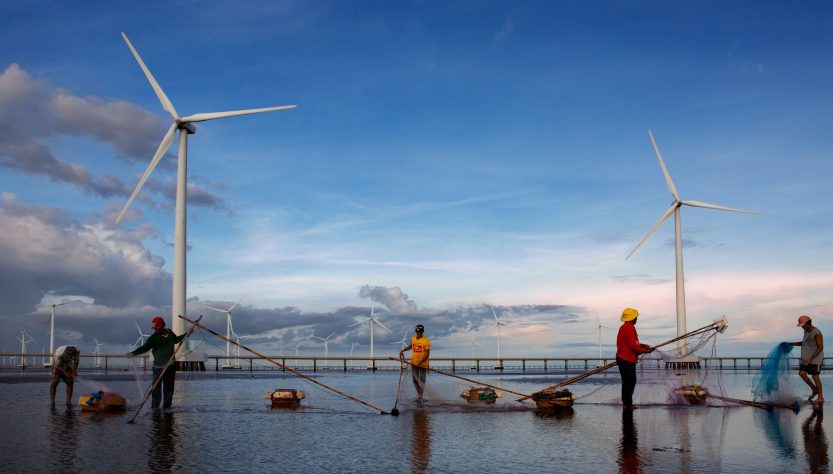
renewable energy cooperation between India and Belgium promises to bolster sustainable energy initiatives. This partnership aims to pave the way for innovative solutions in renewable energy.
Understanding Renewable Energy Cooperation
Renewable energy cooperation between countries is becoming increasingly vital in the fight against climate change and the pursuit of sustainable development. The recent Memorandum of Understanding (MoU) signed between India and Belgium highlights the importance of collaborative efforts in this sector. This partnership aims to enhance the sharing of technology, resources, and expertise in renewable energy.
Through this cooperation, both nations seek to:
- Facilitate knowledge exchange: By sharing best practices and innovations, India and Belgium can accelerate their transition towards more sustainable energy systems.
- Encourage investments: Joint projects and initiatives can attract funding, boosting the renewable energy market in both countries.
- Enhance energy security: Diversifying energy sources through renewable energy cooperation can reduce dependence on fossil fuels, fostering greater energy independence.
This agreement not only strengthens bilateral ties but also sets a precedent for international collaboration in tackling global energy challenges. By working together, India and Belgium can lead the way in promoting a greener future and achieving their climate goals.
Key Benefits of Renewable Energy Cooperation
Renewable energy cooperation between India and Belgium offers a multitude of advantages that can significantly enhance both nations’ energy landscapes.
Some of the key benefits include:
- Technological Exchange: Collaborative projects can facilitate the transfer of cutting-edge renewable technologies, enabling India to accelerate its clean energy goals.
- Investment Opportunities: Joint ventures and partnerships can attract foreign investments, stimulating economic growth and job creation in both countries.
- Environmental Impact: By working together to promote sustainable energy sources, India and Belgium can effectively reduce carbon emissions and combat climate change.
- Energy Security: Diversifying energy sources through cooperation can enhance energy security for both nations, reducing dependence on fossil fuels.
- Capacity Building: Knowledge-sharing initiatives can improve local expertise and skills in renewable energy sectors, fostering long-term sustainability.
Overall, renewable energy cooperation between India and Belgium not only strengthens bilateral ties but also paves the way for a greener future.
Impact of Renewable Energy Cooperation on India
The impact of renewable energy cooperation between India and Belgium is poised to reshape the energy landscape in India significantly. By leveraging Belgium’s advanced technologies and India’s vast renewable resources, both countries stand to gain enormously.
One of the immediate effects of this cooperation is the enhancement of India’s energy security. As India seeks to reduce its dependence on fossil fuels, the collaboration will facilitate the adoption of cleaner energy sources such as solar, wind, and biomass. This shift is vital for meeting the growing energy demands of the country while also addressing climate change.
Additionally, this partnership is expected to create numerous job opportunities in the renewable sector. As projects unfold, local communities will benefit from new employment avenues, thus contributing to economic growth. Moreover, knowledge sharing between the two nations will lead to improved technical skills among Indian professionals, fostering innovation and efficiency.
In summary, the impact of renewable energy cooperation is multifaceted, promising not only environmental benefits but also significant economic advantages for India.
Belgium’s Role in Renewable Energy Cooperation
Belgium has emerged as a pivotal player in the realm of renewable energy cooperation with India, fostering innovative partnerships that aim to enhance energy sustainability. The recent signing of a Memorandum of Understanding (MoU) between India and Belgium signifies a commitment to collaborate on various renewable energy projects.
This cooperation focuses on sharing technology, expertise, and best practices in areas such as solar, wind, and biomass energy. Belgian companies have a wealth of experience in developing efficient renewable energy systems, which can be leveraged to meet India’s growing energy demands.
Moreover, the partnership aims to promote research and development initiatives, encouraging joint ventures that could lead to groundbreaking advancements in renewable technologies. By investing in this collaboration, both nations are not only addressing climate change but also creating job opportunities and boosting economic growth.
Furthermore, Belgium’s established regulatory frameworks and commitment to sustainability serve as a model for India as it seeks to enhance its renewable energy capabilities. This collaboration showcases the potential for mutual benefits and progress in the global transition towards clean energy solutions.
Future Prospects of Renewable Energy Cooperation
The future prospects of renewable energy cooperation between India and Belgium appear promising, with both nations poised to benefit significantly from enhanced collaboration. As global demand for sustainable energy solutions increases, the partnership is expected to foster innovation and technological advancements in the renewable energy sector.
One of the key areas of focus will be the development of solar energy technologies, where Belgium has established a strong reputation for research and development. By leveraging this expertise, India can expedite its transition towards cleaner energy sources. Furthermore, both countries can explore opportunities in wind energy, energy efficiency, and smart grid technologies.
Moreover, the establishment of joint ventures and research initiatives will not only create jobs but also enhance energy security for both nations. Collaborative projects are likely to attract investments, leading to economic growth and a more sustainable environment. Ultimately, the ongoing commitment to renewable energy cooperation can serve as a model for other nations, illustrating the benefits of working together towards a common goal of sustainability and energy independence.
Challenges in Renewable Energy Cooperation
While the potential for renewable energy cooperation between India and Belgium is significant, several challenges must be addressed to ensure successful collaboration. These hurdles can impact the efficiency and effectiveness of joint initiatives aimed at promoting sustainable energy solutions.
- Regulatory Framework: Differences in regulatory policies and standards between the two countries can complicate project implementation. Aligning these frameworks is essential for smoother cooperation.
- Investment Concerns: Attracting investment for renewable energy projects often faces obstacles, including varying levels of financial incentives and support from both governments.
- Technology Transfer: Sharing advanced technologies is crucial for enhancing renewable energy capabilities. However, intellectual property rights and licensing issues can create barriers to technology transfer.
- Infrastructure Gaps: Insufficient infrastructure in certain regions of India may hinder the deployment of renewable energy projects, making it essential to invest in necessary facilities.
- Public Awareness: Limited public understanding of the benefits of renewable energy can slow down adoption rates, necessitating concerted efforts in education and outreach.
Addressing these challenges is vital for maximizing the benefits of renewable energy cooperation.
Photo by Tran Le Tuan on Pexels